
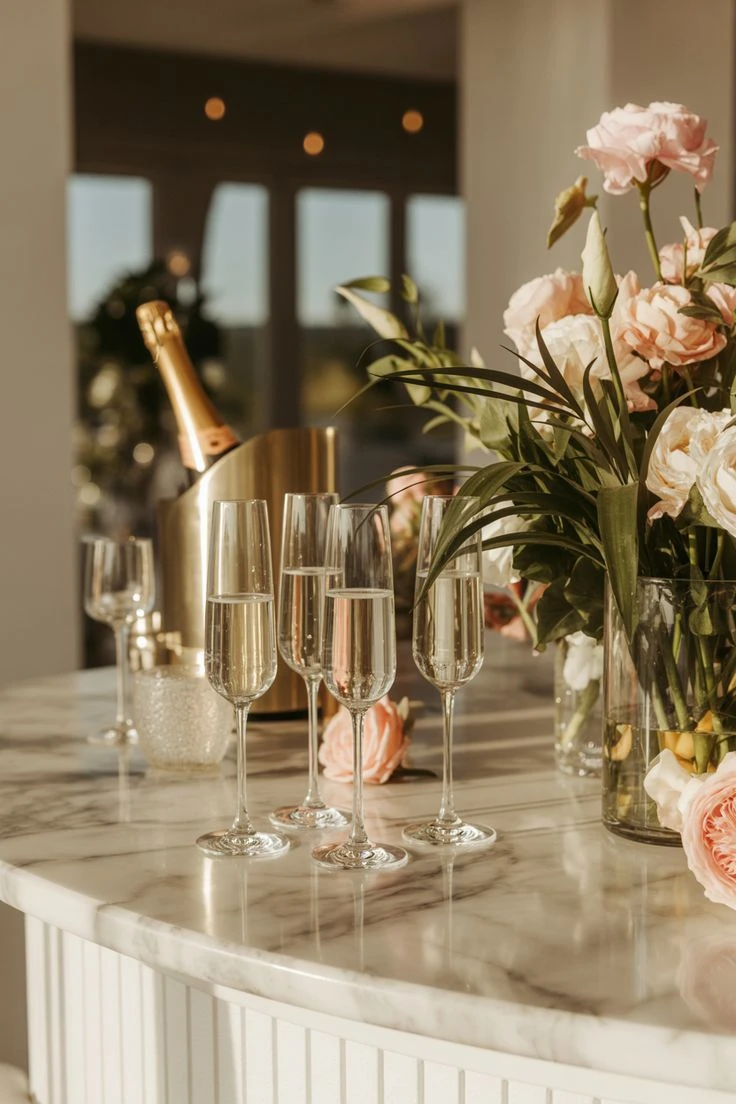
Planning a wedding involves hundreds of small decisions, from choosing the venue and finalizing the guest list to selecting the perfect menu and creating a memorable atmosphere. While couples often spend months thinking about flowers, photography, music, and attire, one important part of the reception is sometimes treated as an afterthought: the bar.
The wedding bar is more than a place where guests pick up a drink. It can influence the flow of the reception, the guest experience, the overall budget, and even how smoothly the evening runs. A well-planned bar keeps guests refreshed and entertained, while an unprepared one can create long lines, unexpected costs, and unnecessary stress.
Here are seven things couples often forget when planning their wedding bar.
1. They Forget to Check the Venue’s Bar Rules
Before booking alcohol or hiring bartenders, couples should carefully review their venue contract. Many venues have specific rules about where alcohol can be served, what types of beverages are allowed, and who can provide bartending services.
Some venues require couples to use an approved caterer or bar provider. Others may charge a corkage fee, service fee, or additional rental fee for bringing in outside alcohol. There may also be rules regarding liquor licenses, insurance, glassware, ice, and alcohol storage.
This is one of the easiest details to overlook because couples may assume that once they have booked the venue, they can organize the bar however they want. However, venue restrictions can significantly affect the budget and available choices.
Ask the venue these questions early:
- Can we bring our own alcohol?
- Is an outside bartender allowed?
- Are there corkage or service fees?
- Does the venue provide glassware and ice?
- Are there restrictions on liquor, beer, or wine?
- What time can the bar open and close?
Getting clear answers before signing contracts can prevent unpleasant surprises later.
2. They Don’t Plan for Non-Alcoholic Drinks
A common mistake is focusing so heavily on alcoholic beverages that non-alcoholic options receive very little attention. Not every guest drinks alcohol, and even guests who do may want something refreshing between cocktails or later in the evening.
A thoughtful bar menu should include more than water and soda. Couples can offer sparkling water, flavored lemonades, iced tea, fresh juices, mocktails, specialty coffee, or other creative alternatives.
Non-alcoholic drinks are especially important for guests who are driving, children attending the wedding, pregnant guests, and anyone who simply does not drink. Providing attractive choices helps every guest feel included rather than making non-drinkers feel like they have been given an afterthought.
A stylish mocktail menu can also complement the wedding theme. For example, a garden wedding might feature cucumber and mint refreshments, while a winter celebration could offer spiced apple cider or warm specialty drinks.
3. They Underestimate the Importance of the Guest Count
The number of guests affects almost every aspect of bar planning. It influences how much alcohol is needed, how many bartenders should be hired, how much ice is required, and how much space the bar should occupy.
Couples sometimes focus only on the total number of bottles or drinks and forget the operational side of serving those guests. A bar that works perfectly for 50 people may become overwhelmed at a 150-person reception.
The guest list should also be considered alongside the type of event. A five-hour evening reception with dancing may have different drink needs from a two-hour afternoon wedding with a light meal.
The Knot’s wedding alcohol planning guidance uses factors such as guest count, reception length, and drinking habits when estimating beverage needs. That is a useful reminder that there is no single formula that works perfectly for every celebration.
Rather than buying a random amount of alcohol, couples should consider:
- How many guests are attending?
- How long will the reception last?
- What types of drinks do guests typically prefer?
- Will there be a champagne toast?
- Will dinner be served?
- Are many guests likely to drink very little or not at all?
Planning around the actual guest list is more effective than simply following a generic checklist.
4. They Forget to Plan the Bar Layout
Even an excellent bar menu can create problems if the physical setup is poorly planned. Couples often spend time choosing the drinks but forget to think about where the bar will be located.
A bar hidden in a corner may be difficult for guests to find. A bar placed too close to the dance floor can create congestion. A single small bar may also lead to long lines during cocktail hour.
The bar should be positioned where it is easy to access without blocking important areas of the reception. Couples should also consider the location of power outlets, water access, refrigeration, storage, and space behind the bar for bartenders to work efficiently.
For larger weddings, multiple service points may be more practical than one central bar. A separate beer and wine station, specialty cocktail station, or self-serve water area can help reduce congestion.
The goal is to make the bar convenient without allowing it to dominate the room.
5. They Forget to Ask Who Supplies the Essentials
When couples think about the wedding bar, they often focus on alcohol and bartenders. However, many smaller details are also needed to make the service work.
Depending on the arrangement, someone may need to provide:
- Ice
- Cups or glassware
- Cocktail napkins
- Straws
- Garnishes
- Mixers
- Coolers
- Bar tools
- Water stations
- Trash and recycling containers
These items may be included in a package, supplied by the venue, or charged separately. Never assume.
Before signing a contract, couples should ask for a detailed list of what is included. This makes it easier to compare vendors and prevents last-minute shopping trips before the wedding.
It is also worth asking who will restock the bar throughout the evening. A bar that starts fully stocked but runs out of popular mixers halfway through the reception can quickly become a problem.
6. They Choose a Menu That Is Too Complicated
A creative drink menu can be memorable, but too many options can make service slower and more expensive. Couples sometimes try to offer every type of spirit, several signature cocktails, multiple wines, craft beers, champagne, mocktails, and specialty drinks all at once.
More choices are not always better.
A carefully selected menu can provide variety without overwhelming guests or bartenders. For example, couples might offer one or two signature cocktails, a small selection of beer and wine, a few standard spirits, and several non-alcoholic choices.
When comparing different wedding bar options, couples should think about the type of celebration they are hosting, their guest preferences, their budget, and how much space is available at the venue.
Signature cocktails are especially popular because they can reflect the couple’s personalities, relationship, wedding theme, or favorite destinations. However, the drinks should also be practical to prepare and serve.
A complicated cocktail that requires multiple ingredients, special equipment, and extensive preparation may slow down the bar during the busiest part of the reception.
The best menu usually balances creativity with efficiency.
7. They Wait Too Long to Hire the Bar Team
One of the biggest mistakes couples make is treating bartending as a last-minute service. They may book the venue, photographer, caterer, DJ, and florist months in advance, then wait until close to the wedding date to think about who will run the bar.
This can limit availability, particularly during busy wedding seasons.
When evaluating a local bartending service company, couples should look beyond the price. Ask about experience, staffing, setup, cleanup, licensing requirements, insurance, menu planning, and what is included in the package.
A professional bar team can do much more than pour drinks. Experienced bartenders can help estimate quantities, organize the setup, manage service efficiently, and keep the reception moving smoothly.
Couples should also ask how many bartenders are recommended for their guest count. Having too few staff members can create long lines, while having an appropriate team can make the service feel seamless.
A Final Thought: Plan the Bar Around Your Guests
The wedding bar should reflect the couple’s style, but it should also be designed with guests in mind. The best setup is not necessarily the largest or most expensive one. It is the one that fits the venue, guest list, budget, schedule, and overall atmosphere of the celebration.
As wedding planning expert and author Meg Keene wrote, “The best weddings are the ones that feel like you.
That idea applies perfectly to wedding bar planning. Couples do not need to copy another wedding or offer every possible drink. Instead, they should create a bar experience that feels appropriate for their celebration.
Start by reviewing venue rules, estimating guest needs, offering inclusive drink choices, planning the physical setup, confirming what supplies are included, simplifying the menu, and booking qualified bartenders early. These details may seem small individually, but together they can have a major impact on the guest experience.
A well-planned bar allows couples to relax and enjoy their reception rather than worrying about whether the ice has arrived, whether guests are waiting too long, or whether the drinks will run out before the evening ends.
The goal is simple: create a welcoming, efficient, and enjoyable experience that helps guests celebrate with you. With thoughtful planning and the right support, the wedding bar can become one of the most enjoyable parts of the entire reception.